
The road to the Dakar 2026 Youth Olympic Games is extending far beyond the host city, with a new continent-wide educational and sporting initiative inviting young people across Africa to become part of the first Olympic sporting event ever staged on African soil.
Launched around the arrival of the Youth Olympic flame in Senegal, “We Run for Africa” combines physical activity, Olympic education and community participation, enabling schools and young people across the continent to organise their own symbolic relays in the lead-up to the Games.
The initiative comes as preparations for Dakar 2026 enter their final phase. The Youth Olympic flame was lit at Athens’ historic Panathenaic Stadium on 10 September before arriving in Senegal on 12 September. Its national Flame Tour began in Dakar on 14 September and is scheduled to make more than 30 stops around Senegal.
Dakar 2026 will take place from 31 October to 13 November 2026, bringing approximately 2,700 young athletes to Senegal for 14 days of competition. The programme encompasses 35 international federations, 25 competition sports and additional engagement sports designed to introduce local young people to a wider variety of sporting activities.
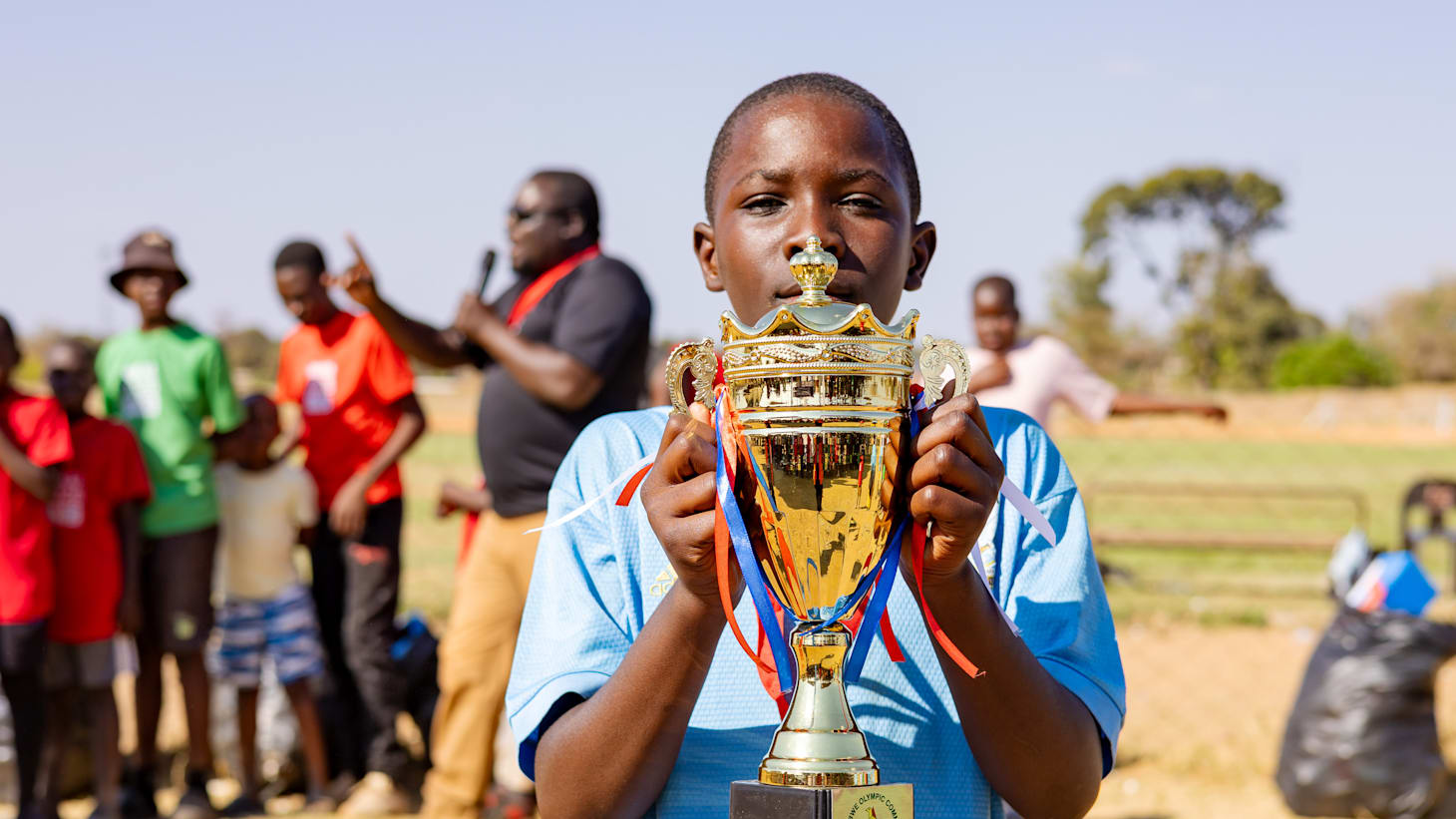
Taking the Youth Olympic Flame Beyond Senegal
The idea behind “We Run for Africa” is to extend the symbolism of the flame across the continent even though its physical tour is taking place in Senegal.
Schools and educational organisations are being encouraged to create their own relay events inspired by the Youth Olympic flame. A dedicated educational toolkit provides guidance for teachers and organisers, connecting physical activity with learning about the Olympic values and the significance of Dakar 2026.
The initiative reflects the Games’ motto, “Africa Welcomes, Dakar Celebrates,” by positioning Dakar 2026 as an event with relevance beyond the host nation.
This broader approach is particularly significant because Dakar 2026 represents a milestone for both African and international sport. Although Africa has produced generations of Olympic champions and has played a major role within the international sports movement, the continent has never previously hosted an Olympic Games or Youth Olympic Games.
Sport Combined with Education
“We Run for Africa” is notable for treating participation and education as complementary parts of the Youth Olympic experience.
The Youth Olympic Games were created not only as an elite international competition for young athletes, but also as a platform for education, cultural exchange and personal development.
The relay initiative takes those principles into schools and communities, creating an opportunity for young people who will not compete at Dakar 2026 to nevertheless participate in the wider movement surrounding the Games.
That approach complements other legacy initiatives already underway. The IOC reported last week that Dakar 2026 preparations are creating opportunities across Africa through programmes involving young athletes, coaches, sports administrators and communities.
Engagement sports are another part of this strategy. Official Dakar 2026 planning information describes them as an opportunity for international federations to introduce local youth in Senegal and across Africa to new sports and encourage inclusive participation.
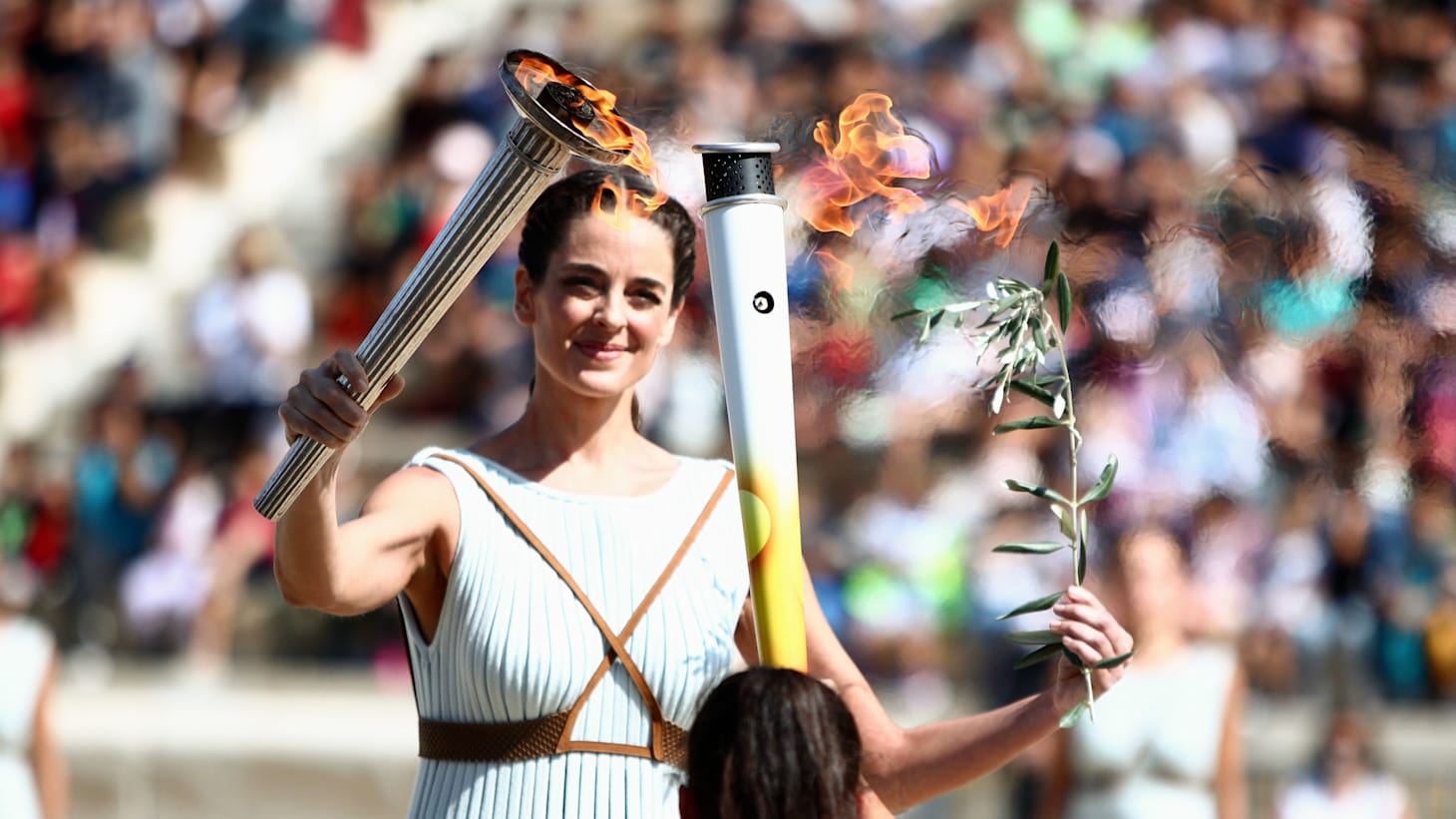
The Flame Begins Its Journey Across Senegal
The symbolic campaign is unfolding alongside the physical Youth Olympic Flame Tour.
After arriving from Athens, the flame began its journey through Senegal at Dakar-Plateau on 14 September. The programme brings together sport, culture and community activities, with more than 30 stops planned before the opening of the Games.
The tour is designed to reach communities well beyond the competition venues and build national participation in the historic event.
Dakar 2026 itself will be centred around three principal areas — Dakar, Diamniadio and Saly — but the Flame Tour and related educational initiatives allow the impact of the Games to extend much further.
A Model for Broader Participation in Major Sports Events
For the General Association of World Sports Federations (GAWSF), “We Run for Africa” offers an interesting example of how major international sporting events can create participation opportunities beyond formal competition.
International federations and multi-sport organisations increasingly face the challenge of demonstrating how major events can benefit wider communities rather than only the athletes, spectators and host cities directly involved.
Dakar 2026 is approaching that challenge by combining elite youth competition with education, grassroots participation and opportunities for international federations to introduce their sports to new audiences.
“We Run for Africa” is a relatively simple concept, but its ambition is much broader: to allow young people across an entire continent to see Africa’s first Olympic sporting event as something in which they can participate rather than simply watch.
As the flame continues its journey through Senegal, that may prove to be one of the most meaningful legacies of Dakar 2026.
Source and Image credit: IOC